
Celebrity
19 Child Stars Who Left Hollywood and Why They Quit Acting

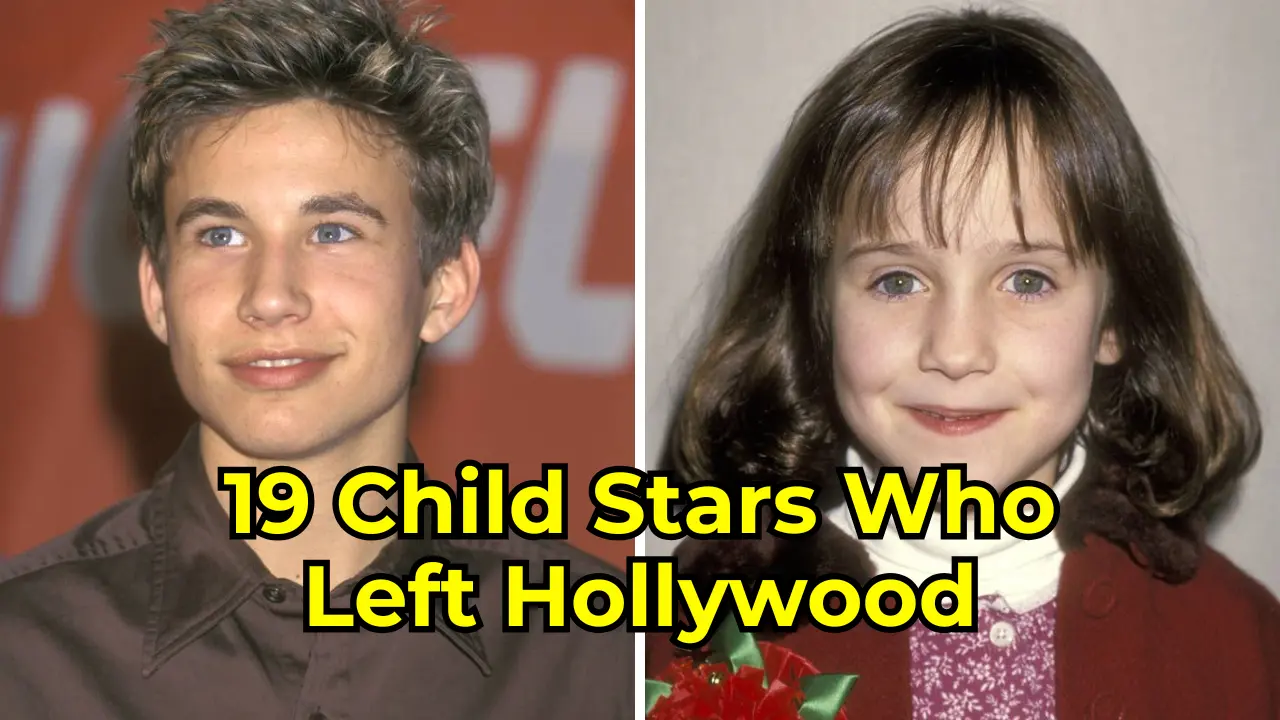
Many iconic performers secure their breakthrough roles while still in their youth. While some transition seamlessly into adult stardom, others choose to abandon the spotlight forever. Here are the former child stars who retired from film and television sets for good:
1. To start, Mara Wilson achieved global fame after starring in Mrs. Doubtfire, Miracle on 34th Street, and Matilda. At age 13, she began a significant hiatus from the industry after appearing as Lily in Thomas and the Magic Railroad back in 2000. However, after a decade away from the camera, she made a return in 2011 with various roles in independent shorts and television series.
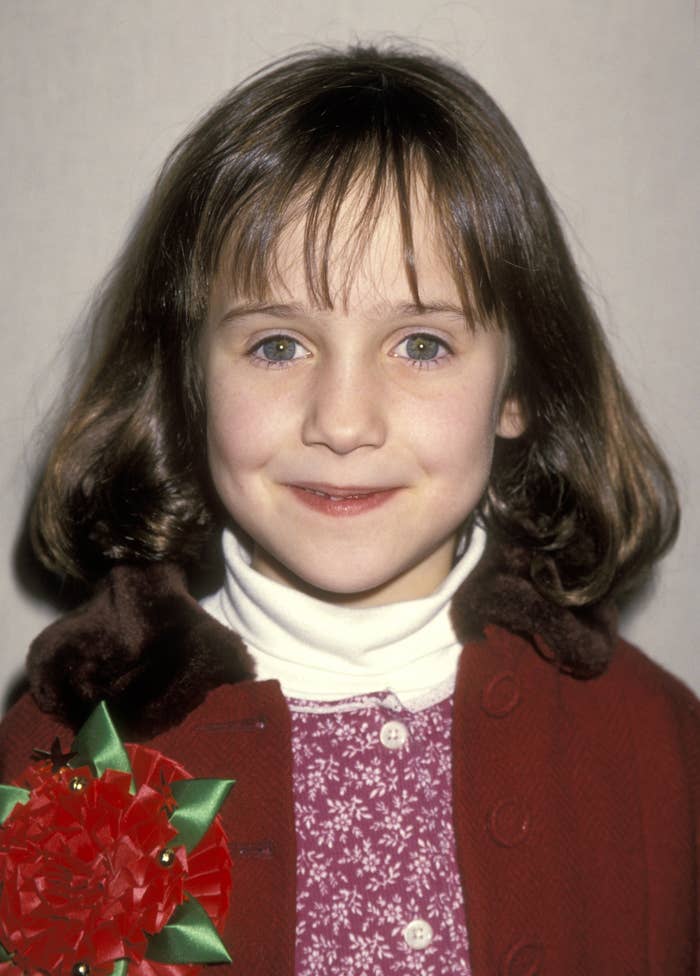
Ron Galella, Ltd. / Ron Galella Collection via Getty Images
2. Jonathan Taylor Thomas became a teen idol with leading roles in The Lion King, Home Improvement, and I’ll Be Home for Christmas. By the early 2000s, he made the conscious choice to scale back his acting career. “I’d been going nonstop since I was 8 years old,” he explained. “I wanted to go to school, to travel, and have a bit of a break.” His final major acting credit was a guest appearance on Last Man Standing in 2015.
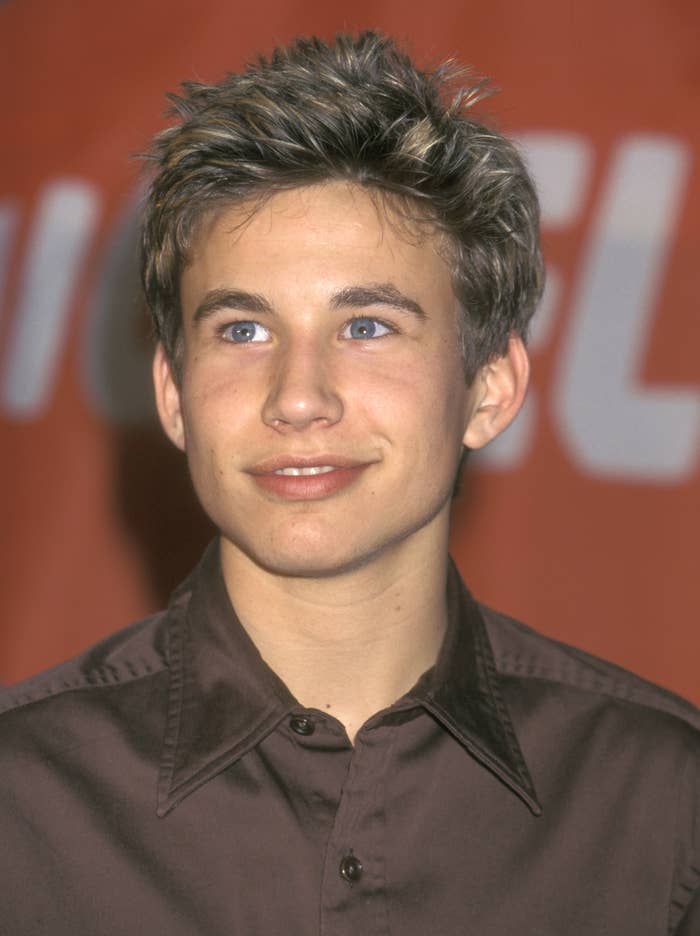
Ron Galella, Ltd. / Ron Galella Collection via Getty Images
3. Mary-Kate and Ashley Olsen became household names as toddlers on Full House, later starring in It Takes Two and Two of a Kind. By the early ’00s, they shifted their focus away from performing. The twins lacked a long-term passion for acting and chose to pursue higher education and the fashion world. “What we did know was that we wanted to take that time to take a break from what we were previously doing and to explore things that interested us,” Ashley noted.
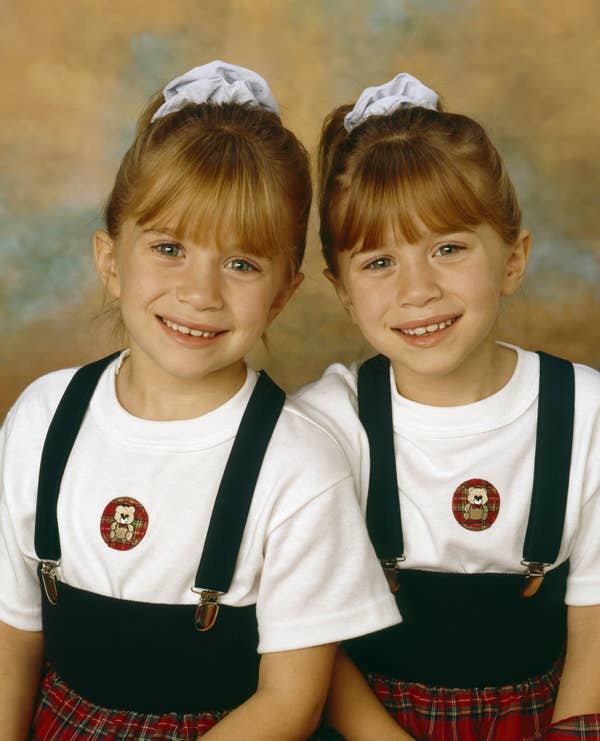
ABC Photo Archives / Disney General Entertainment Content via Getty Images
4. Jake Lloyd famously portrayed young Anakin Skywalker in Star Wars: Episode I – The Phantom Menace in 1999, but he retreated from the industry shortly after. In 2008, he was diagnosed with schizophrenia and anosognosia. “The experience I’ve had with the fans is immediately therapeutic,” he shared regarding his journey. “Right now, it’s still therapeutic. It’s helpful for people and healthy. It isn’t something I’d shy away from.”
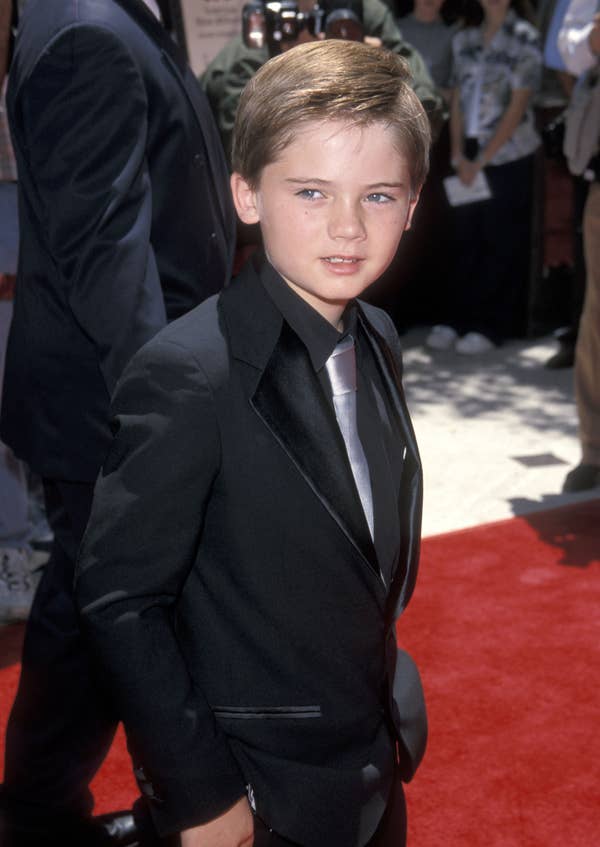
Ron Galella, Ltd. / Ron Galella Collection via Getty Images
5. Danny Lloyd delivered an unforgettable, spine-chilling performance in The Shining, but his career in Hollywood ended quickly as he decided to pursue a more “normal” life away from the cameras.
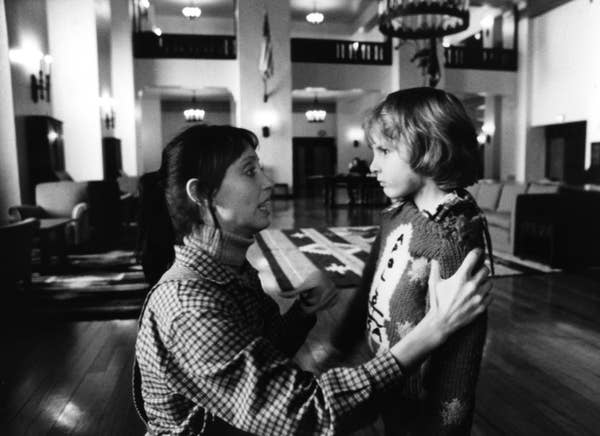
Michael Ochs Archives / Getty Images
6. Jeff Cohen had a massive breakout as Chunk in The Goonies, but his acting career hit a permanent pause by the early ’90s. “My first love was acting, but puberty had other ideas. It was a forced retirement,” he joked. “I didn’t give up acting. Acting gave me up.” He eventually transitioned into a successful career as an entertainment lawyer.
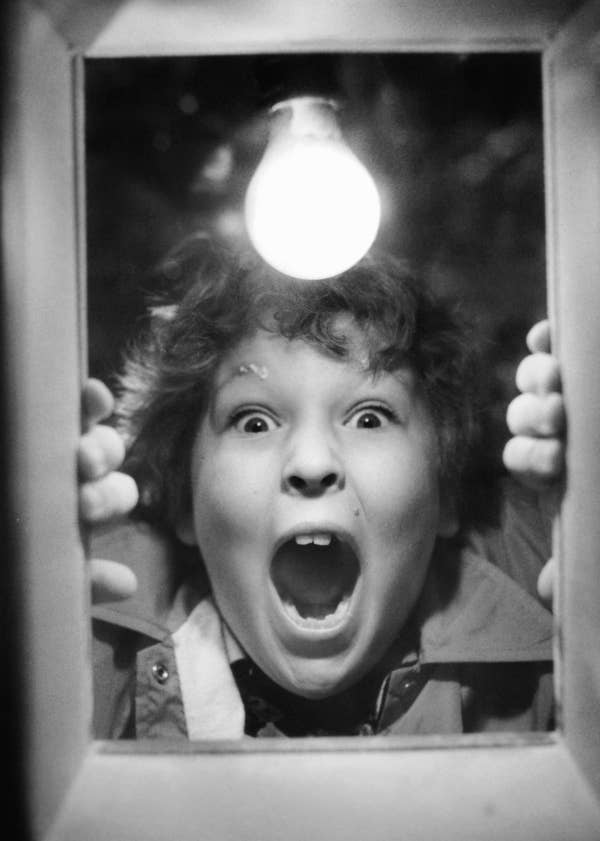
Warner Brothers / Getty Images
7. Peter Ostrum became a cinema legend as a one-hit wonder after playing Charlie Bucket in Willy Wonka & the Chocolate Factory in 1971. “Being in the film industry as a child was hard, and I couldn’t keep it going,” he admitted. “But in the end, leaving was the right decision.” The former star eventually found his true calling working as a veterinarian.
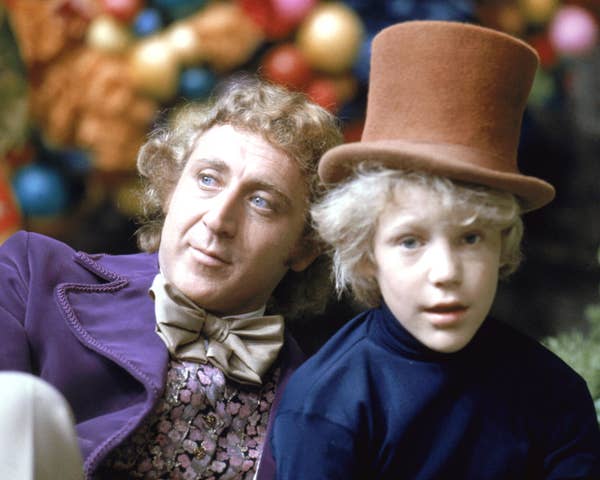
Silver Screen Collection / Getty Images
8. In 1984, Barret Oliver secured one of his most iconic roles as Bastian in The NeverEnding Story. He officially quit the acting business by 1989 and has since built an impressive and successful career in the fields of traditional printing and photography.
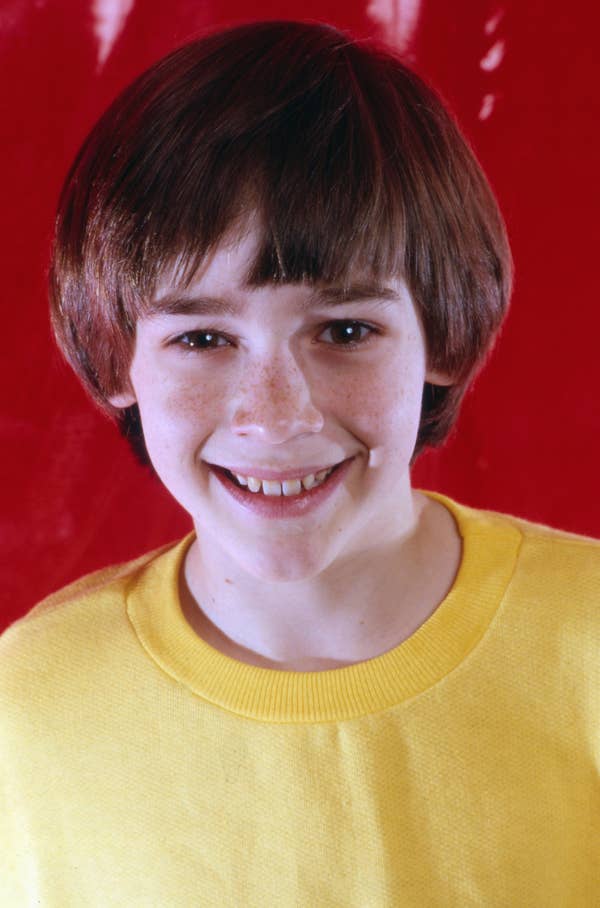
Fryderyk Gabowicz / picture alliance via Getty Images
9. Carrie Henn landed her first and only onscreen role as Newt in the 1986 sci-fi classic Aliens. She never actually planned to be a professional actor and only auditioned when a casting scout visited her school. “They don’t understand that acting wasn’t my passion. It wasn’t my dream,” she said. While she enjoyed the experience, she chose to step out of the limelight to become a teacher.
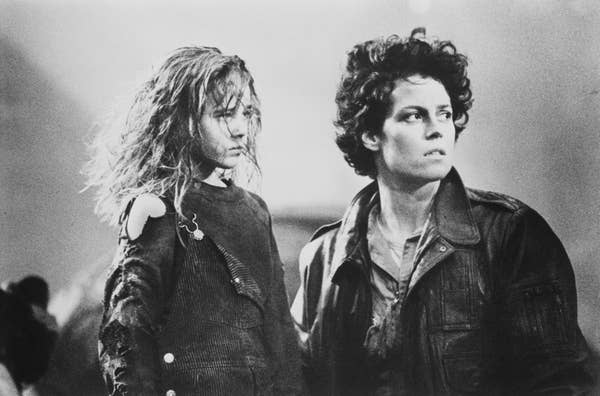
Bob Penn / Sygma / Sygma via Getty Images
10. Jonathan Lipnicki launched his career with high-profile roles in Jerry Maguire, Stuart Little, and Like Mike. However, by the 2000s, he found it difficult to land the jobs he wanted. “Acting is this thing that I’ve always loved, and sometimes it just doesn’t love you back,” he revealed. Though he has acted on and off since then, his most recent project was the film Anywhere.
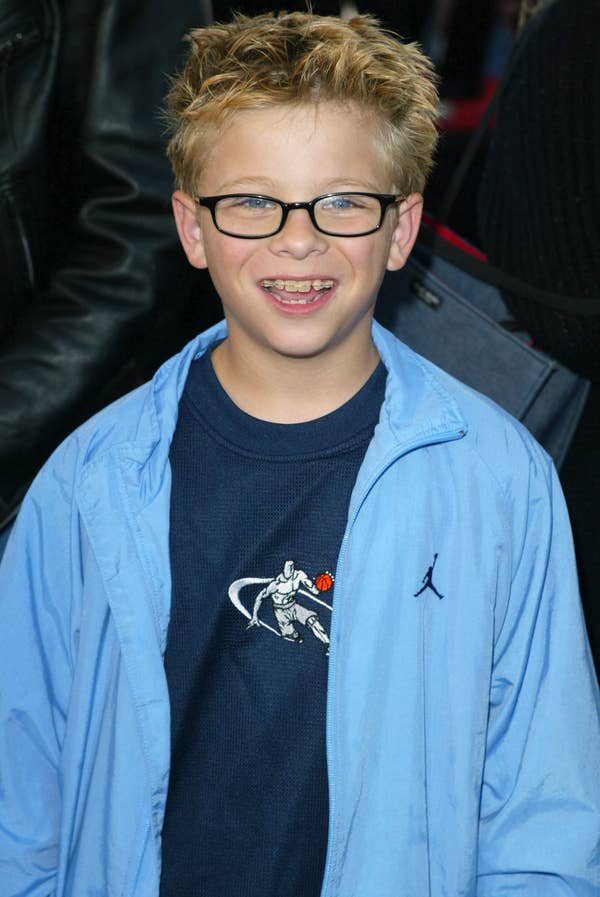
Ron Galella / Ron Galella Collection via Getty Images
11. Charlie Korsmo began his career in the early ’90s with appearances in Hook, Dick Tracy, and Men Don’t Leave. After playing Jack in Hook, he took a seven-year hiatus before returning for Can’t Hardly Wait. Following that, he left Hollywood for good to pursue a legal career, eventually earning a prestigious degree from Yale Law School in 2006.
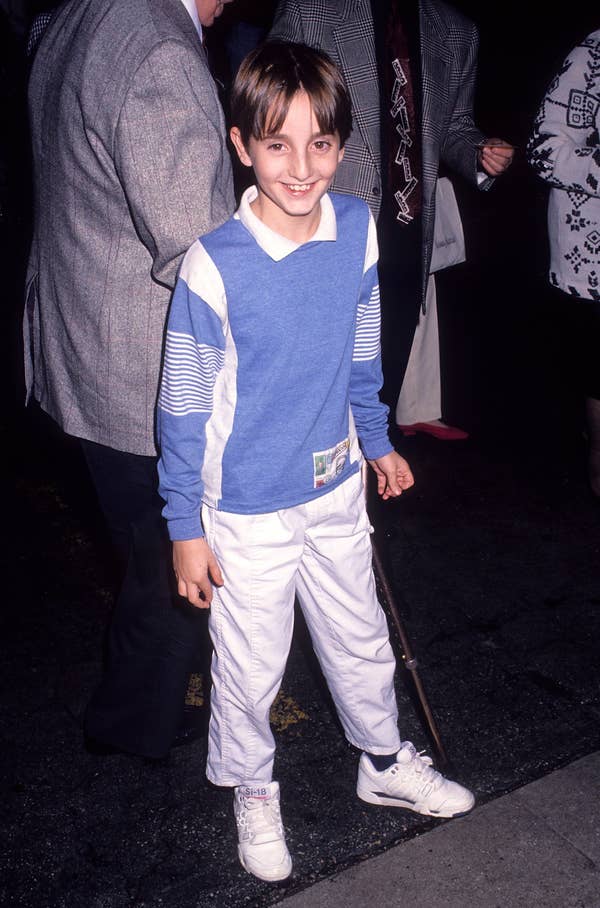
Ron Galella, Ltd. / Ron Galella Collection via Getty Images
12. Ross Bagley moved away from the entertainment industry after holding major roles in The Little Rascals, The Fresh Prince of Bel-Air, and Independence Day. After a few sporadic roles ending in 1999, he shifted his professional focus to real estate, professional DJing, and the finance sector.
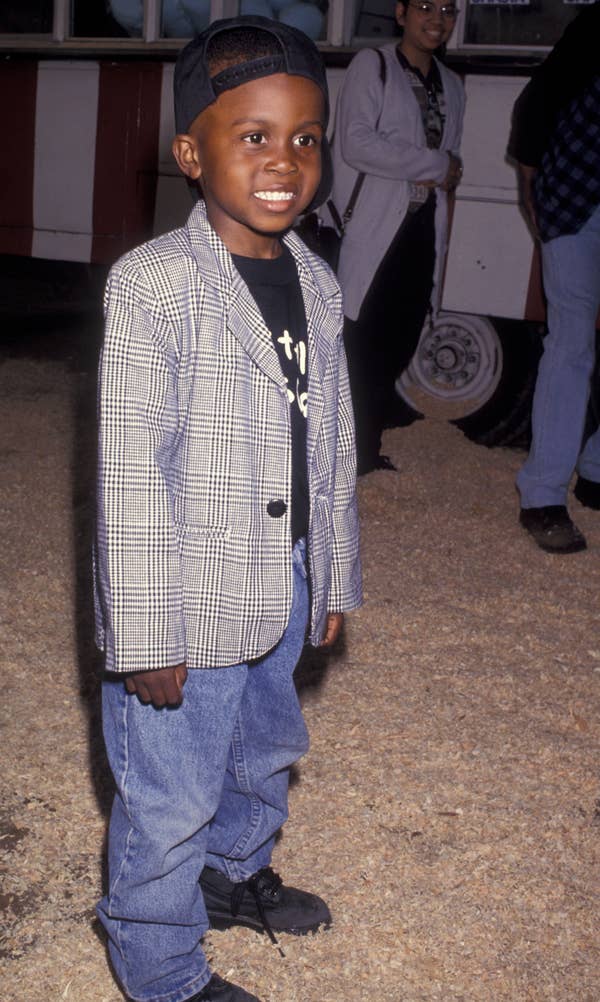
Ron Galella, Ltd. / Ron Galella Collection via Getty Images
13. Skandar Keynes retired from the acting world after finding fame as Edmund Pevensie in The Chronicles of Narnia film franchise. He earned his final film credit in 2010 and subsequently decided to pursue a successful career in the world of British politics.
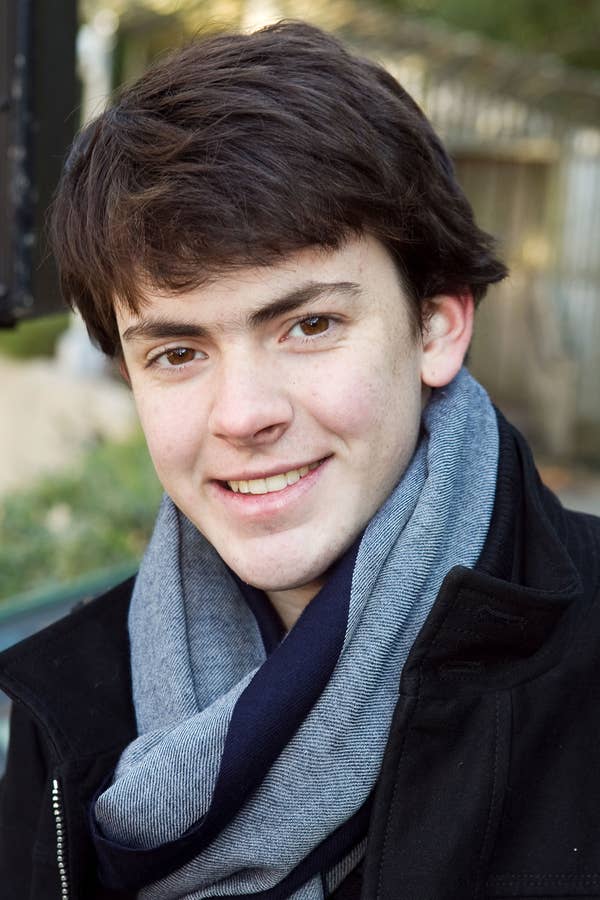
Paul Morigi / WireImage / Getty Images
14. Jason Zimbler walked away from acting in 1994 after his long stint as Ferguson Darling on Clarissa Explains It All. Thirty years after leaving television, he made a very rare public appearance in New York in 2025. He was last known to be working successfully in the field of software development.
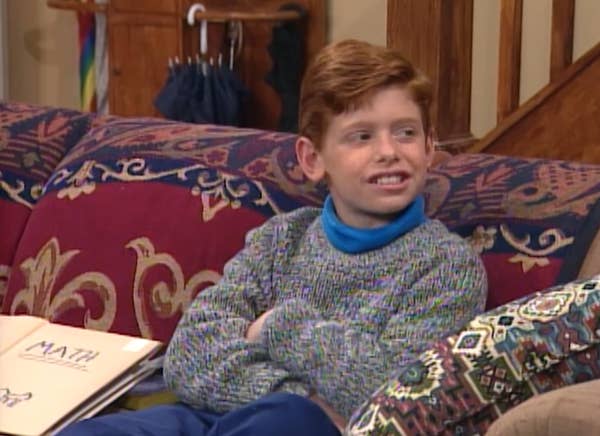
Nickelodeon
15. Alisan Porter took an eight-year break from the industry after her starring role in Curly Sue. “It wasn’t fun for me anymore. There was no joy in it for me,” she confessed. “I just wanted to be doing ‘normal’ kid things.” She prioritized high school and social experiences over movie sets, eventually finding fame again as a singer.
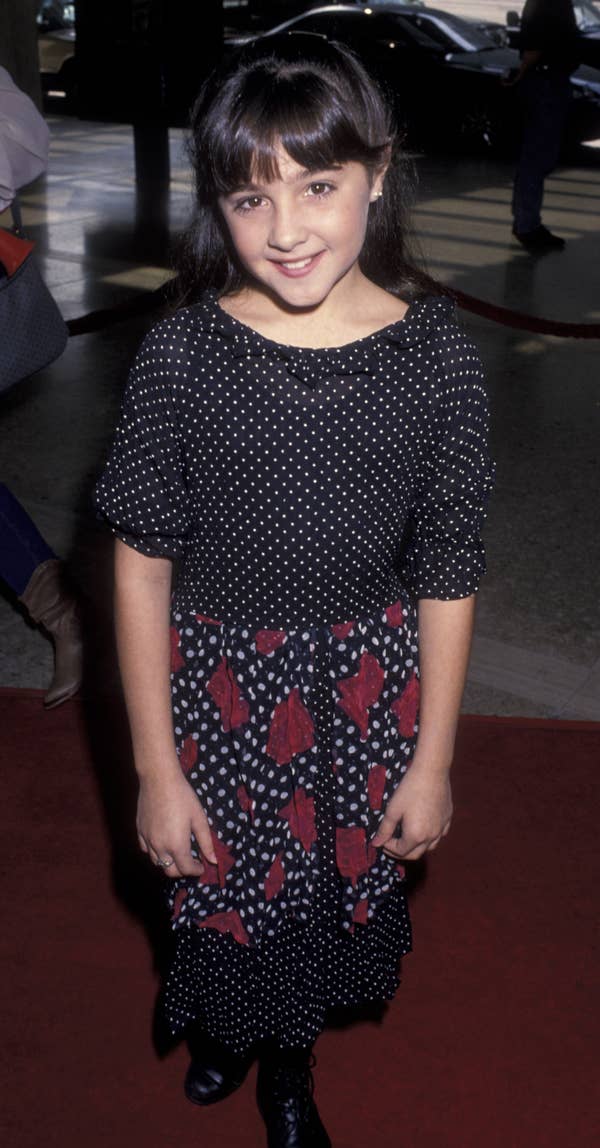
Ron Galella / Getty Images
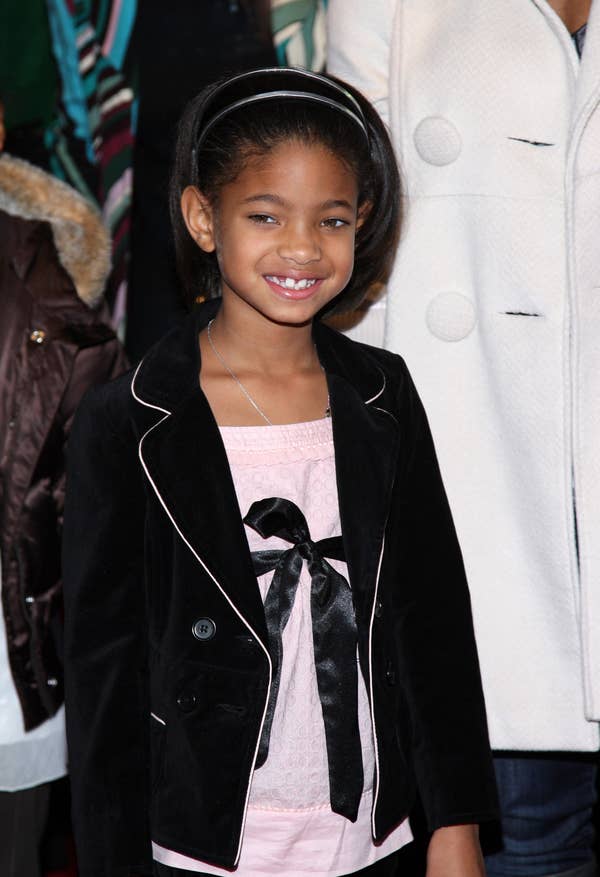
16. Willow Smith starred alongside her father, Will Smith, in the 2007 hit I Am Legend and was originally set to lead the 2014 Annie remake. She ultimately declined the role to preserve her childhood. “I saw at a very young age the dark path I could have gone down,” she said. Since 2015, she has focused entirely on her music career and studio albums.
Stephen Lovekin / Getty Images
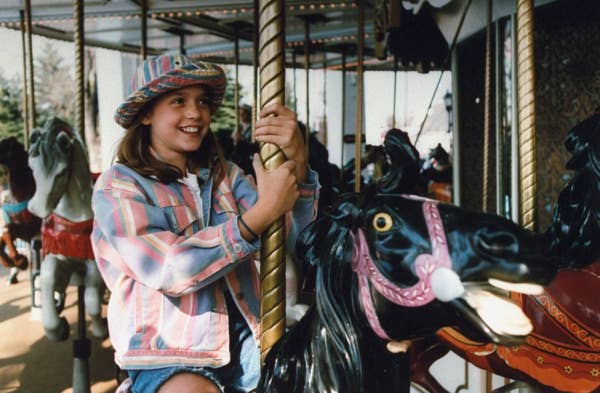
17. Liesel Matthews made a stunning debut as Sara Crewe in the 1995 film A Little Princess. Despite her early talent, she only took on two more professional roles before deciding to leave the entertainment industry behind in 2000.
Steve Liss / Getty Images
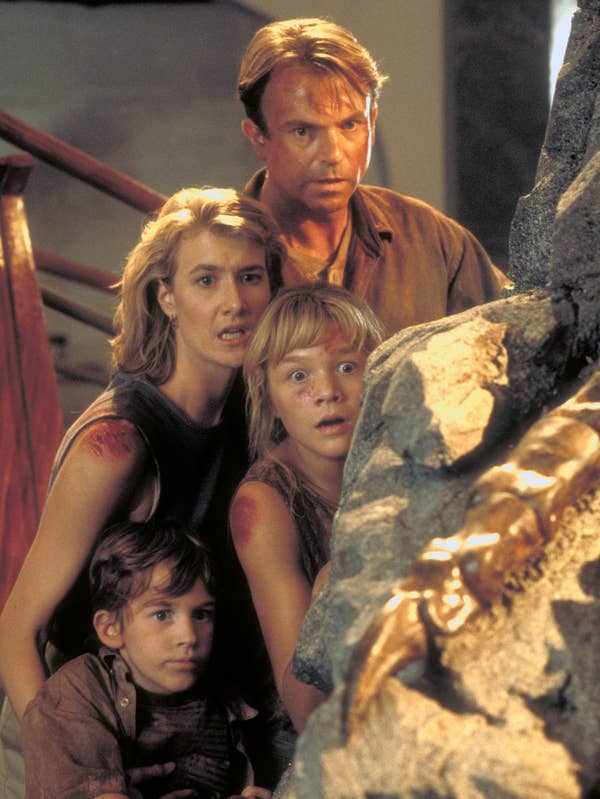
18. Ariana Richards became a global sensation after appearing as Lex in the blockbuster Jurassic Park. “I was suddenly catapulted into being known worldwide overnight… and I didn’t have a private life anymore,” she explained. While she has taken occasional roles, her primary professional focus is now her work as a successful fine art painter.
Murray Close / Getty Images
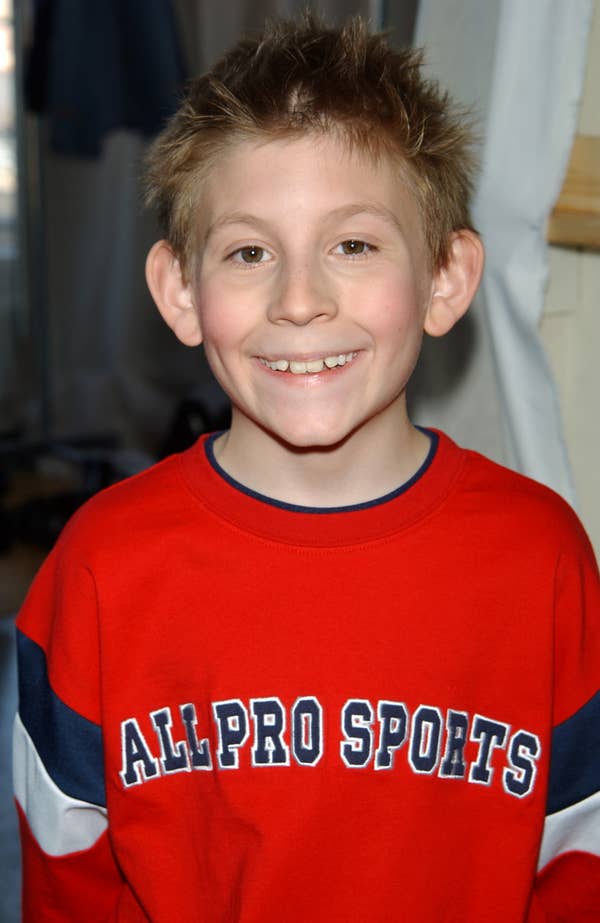
19. And finally, Erik Per Sullivan reportedly has no intentions of returning as Dewey for any potential Malcolm in the Middle revival. After starring in the hit series from 2000 to 2006, he largely exited Hollywood to enjoy a private life, focusing heavily on his academic pursuits and staying out of the public eye.
Richard Corkery / NY Daily News Archive via Getty Images
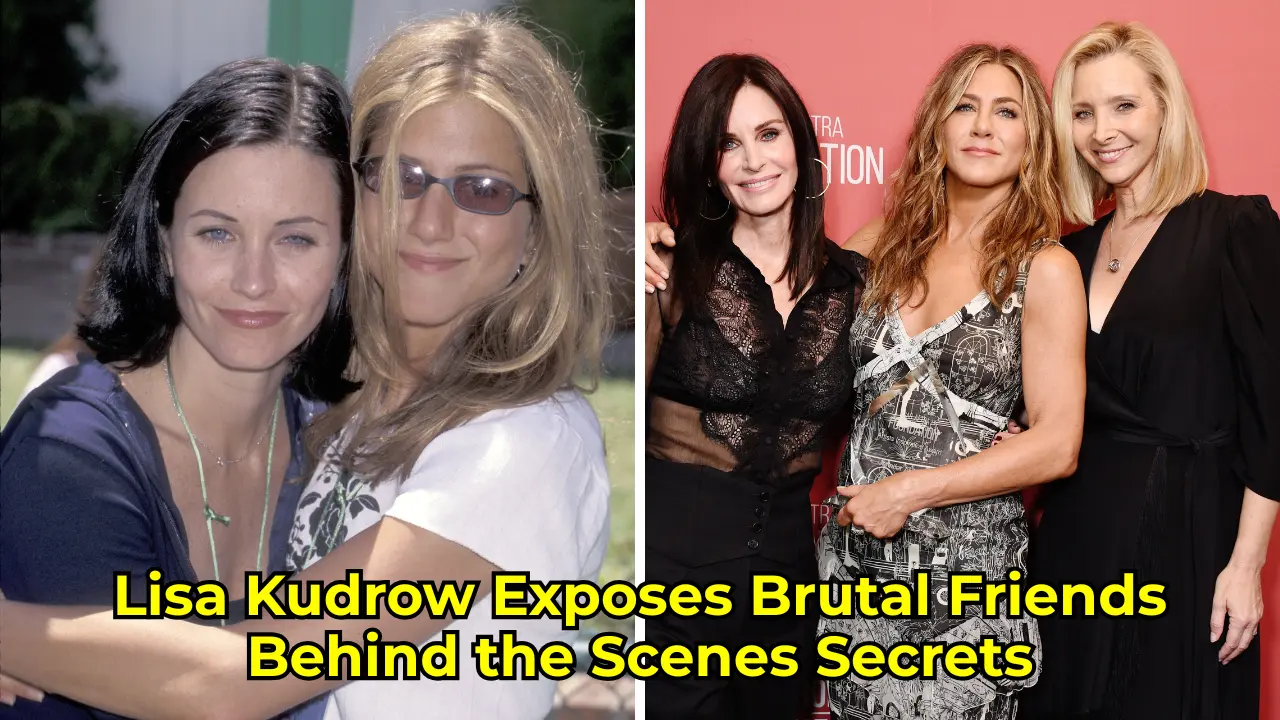
Fans are reeling after Lisa Kudrow shared shocking revelations regarding the “mean behavior” that occurred off-camera during the filming of the hit sitcom Friends.
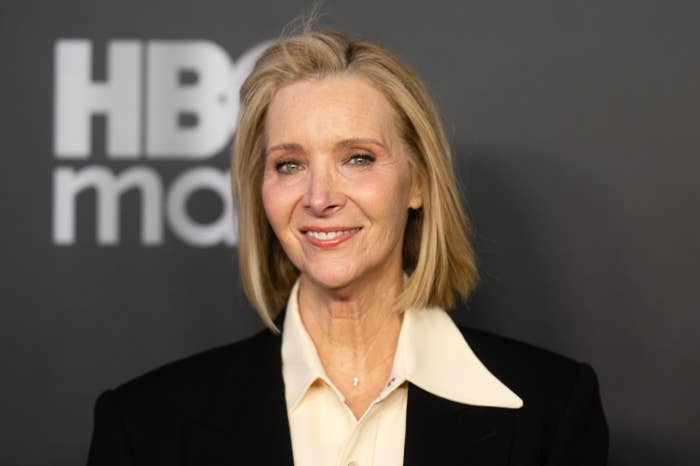
Samir Hussein / Getty Images
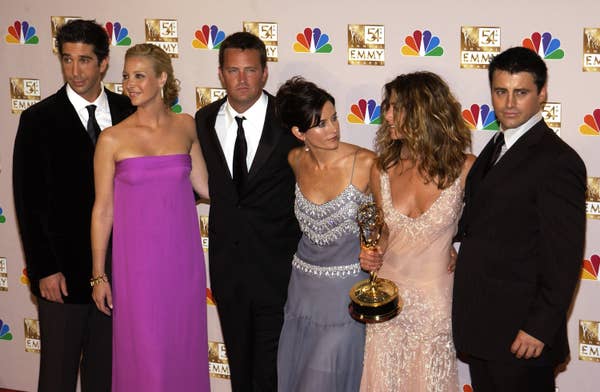
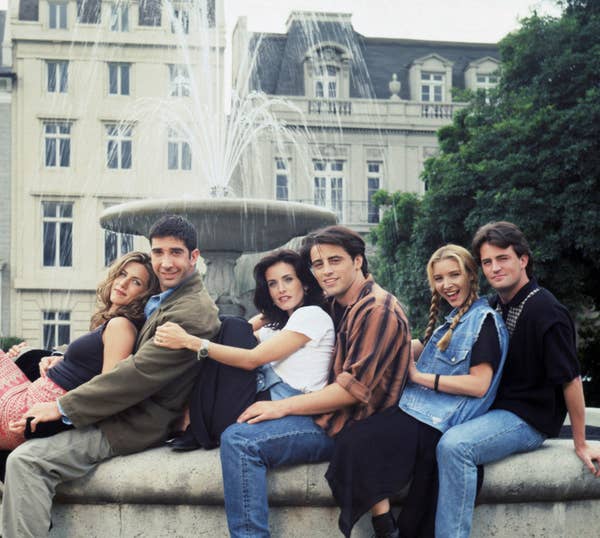
As most pop culture fans are aware, Lisa Kudrow and her legendary co-stars—Courteney Cox, Jennifer Aniston, Matthew Perry, Matt LeBlanc, and David Schwimmer—became household names in the ‘90s. They led the iconic NBC sitcom for 10 seasons, spanning from 1994 until 2004.
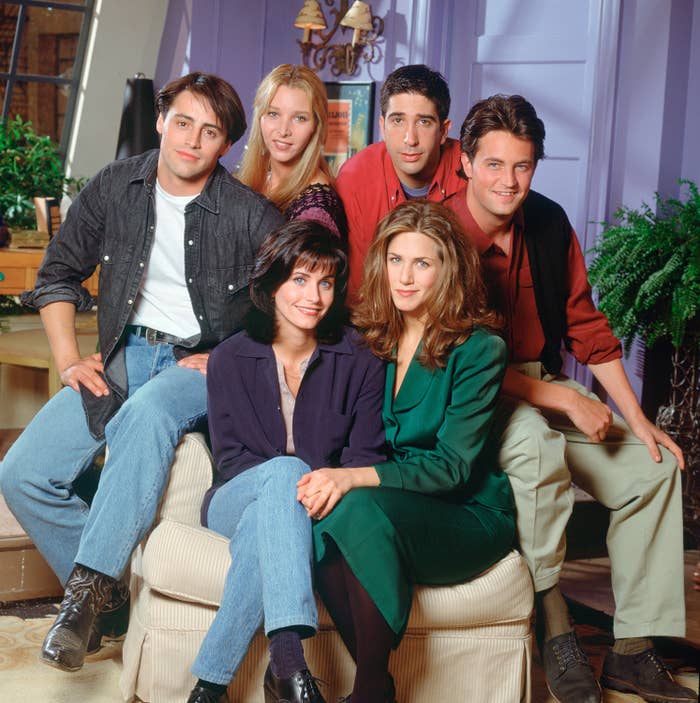
Nbc / Getty Images
The series was a massive commercial triumph; reports indicate the lead six stars began with a salary of $22,500 per episode in Season 1. By the time the third season rolled around, that figure had climbed to a substantial $100,000.
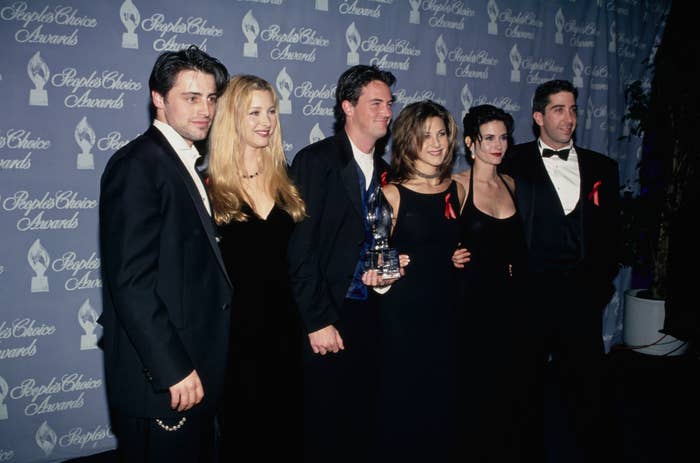
Vinnie Zuffante / Getty Images
By Season 9, the ensemble famously negotiated a record-breaking $1 million per episode—at the time, the highest deal ever secured for a sitcom. Most seasons featured 24 to 25 episodes, making the cast incredibly wealthy.
Jean-paul Aussenard / Getty Images
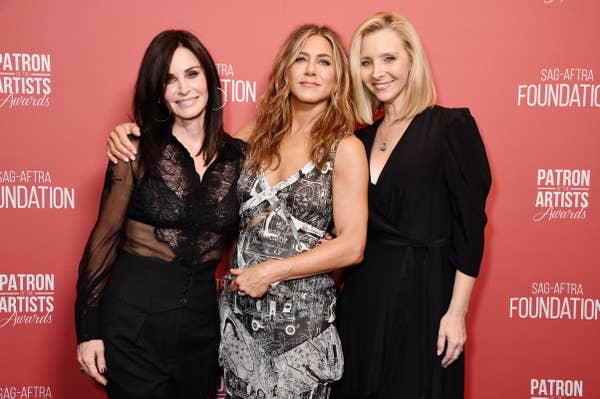
Even though Friends remains a cultural phenomenon, Lisa is now exposing the darker side of the production. She recently spoke out about the mistreatment actors faced from the writing staff—specifically targeting the experiences of herself, Jennifer, and Courteney.
Gregg Deguire / Getty Images
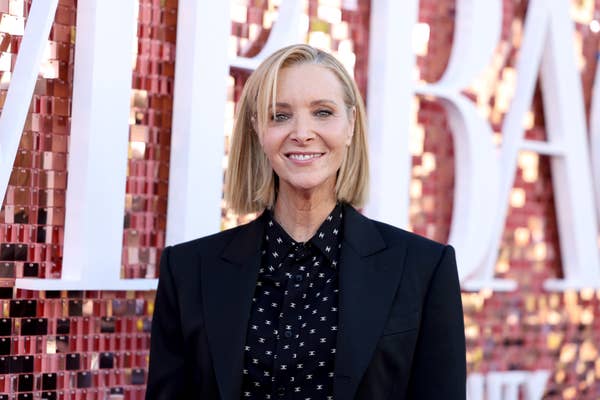
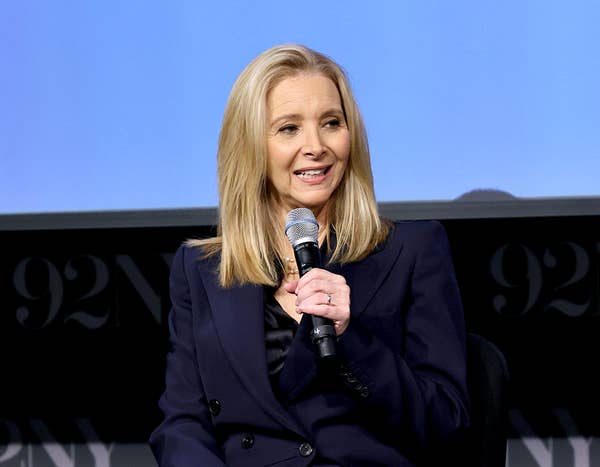
In a candid interview with the Times, Lisa noted that the Friends writers’ room consisted of about 12 to 15 people, the majority of whom were men. She told the outlet: “There was definitely mean stuff going on behind the scenes.”
Araya Doheny / Getty Images
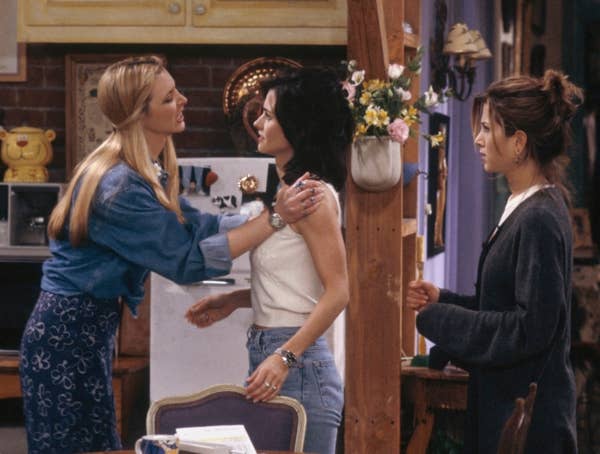
“Don’t forget, we were recording in front of a live audience of 400, and if you messed up one of these writers’ lines or it didn’t get the perfect response, they could be like: ‘Can’t the bitch fucking read? She’s not even trying. She fucked up my line,’” Lisa recalled. “And we know that back in the room the guys would be up late discussing their sexual fantasies about Jennifer and Courteney. It was intense.”
Nbc / Getty Images
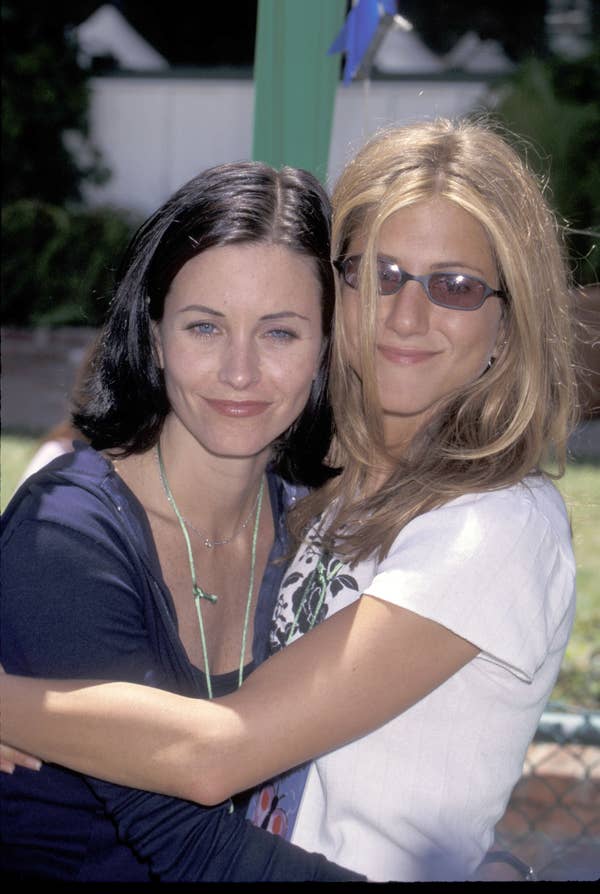
The interview also touched upon a past legal battle where writers’ assistant Amaani Lyle filed a sexual harassment lawsuit against the production. Lyle, whose role involved transcribing brainstorming sessions, was stunned by the graphic nature of the discussions regarding Jennifer and Courteney, which allegedly included crude gestures and sexual comments.
Nbc / Getty Images
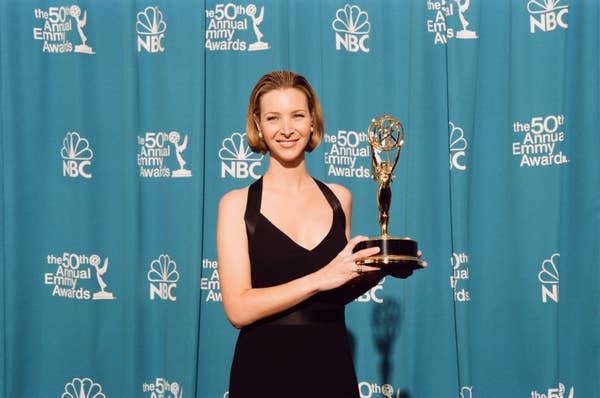
While Amaani ultimately lost her legal case, Lisa reflected on the environment: “Oh, it could be brutal, but these guys — and it was mostly men in there — were sitting up until 3 a.m. trying to write the show, so my attitude was: ‘Say what you like about me behind my back because then it doesn’t matter.’”
Nbc / Getty Images
These insights have come as a shock to long-term fans who are voicing their horror online. Reacting to the interview on Reddit, one user commented: “What the fuck. And this is when Jennifer and Courtney were relatively quite powerful in the industry and you certainly didn’t want to piss them off. You know if those writers made disparaging comments about lead actors they would be fired.”
Jim Smeal / Getty Images
“Good on her for speaking out about it now, can’t imagine how difficult it must’ve been for the actors to do their jobs in an environment like this,” another fan noted. Another person contributed: “Sorry to hear that, but happy that’s she’s spilling the beans, no more protecting of shitty men 🤝”
Jamie Mccarthy / Getty Images
Finally, one user simply summed up the collective frustration by stating: “men are disgusting.”
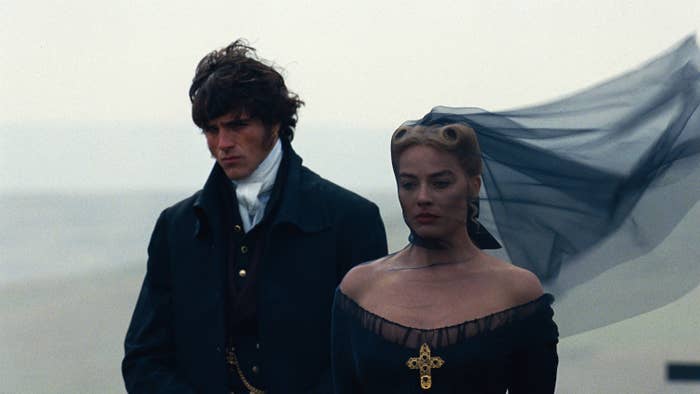
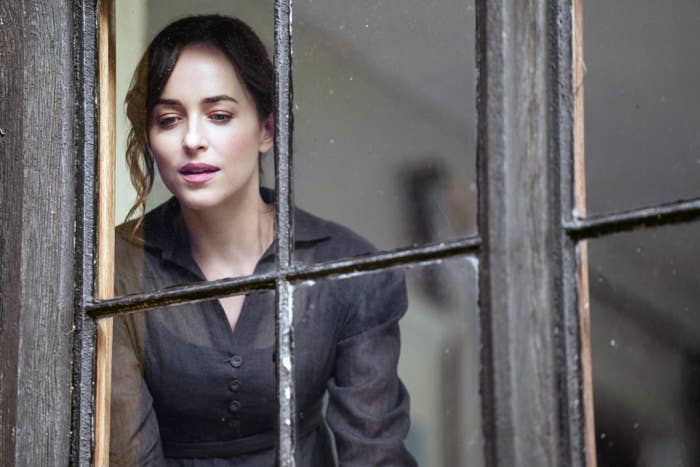
You are likely already aware of the “iPhone face” phenomenon—that modern aesthetic where an actor’s features feel far too contemporary to be convincing in a historical setting.
© Warner Bros. /Courtesy Everett Collection
There are numerous examples of this trend from the last few years. It is fair to argue that “iPhone face”—or “Instagram face”—is becoming a recurring problem as the popularity of cosmetic fillers, Botox, and bright dental veneers continues to rise among Hollywood’s elite.
Nick Wall / © Netflix / courtesy Everett Collection
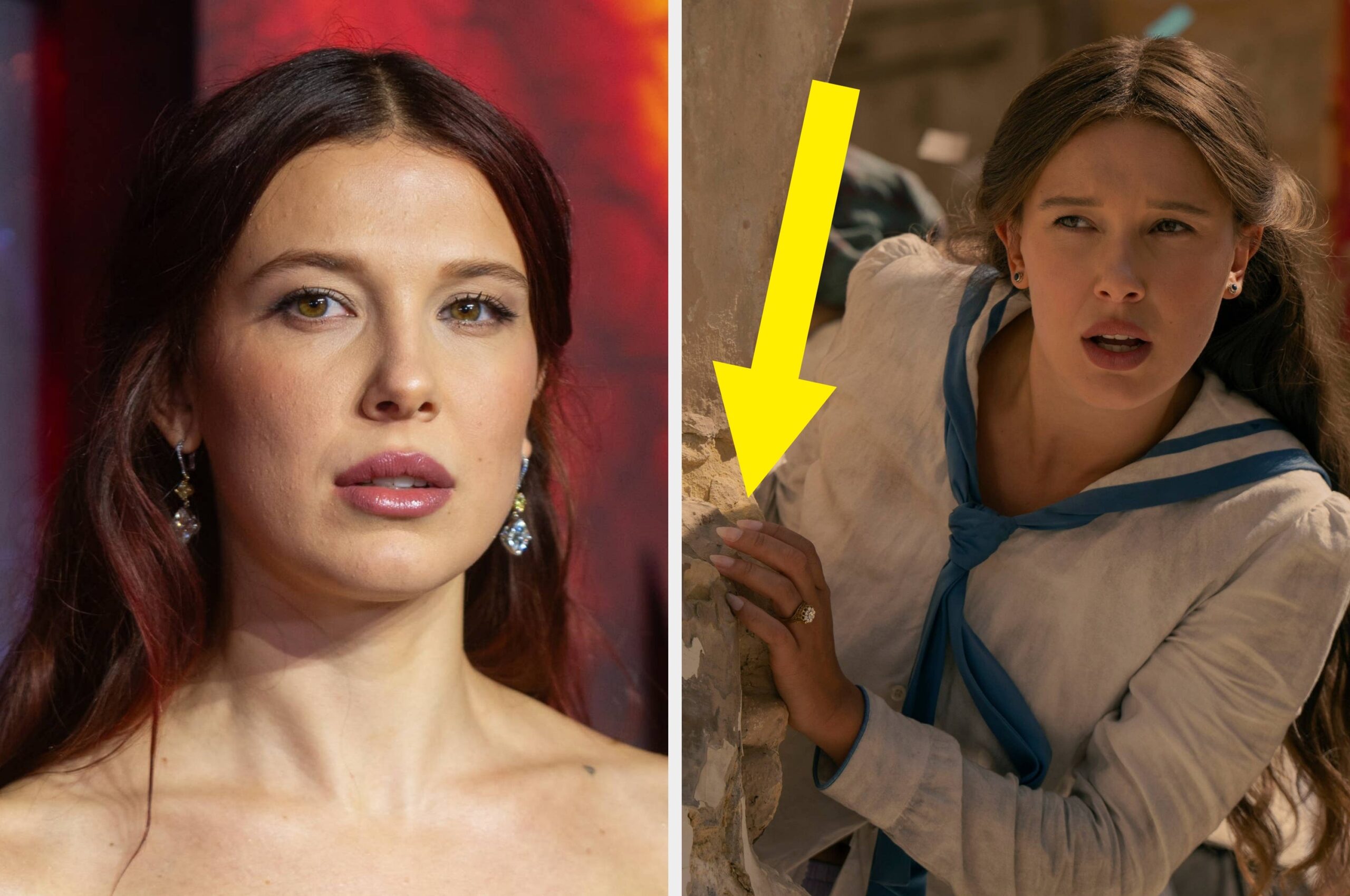
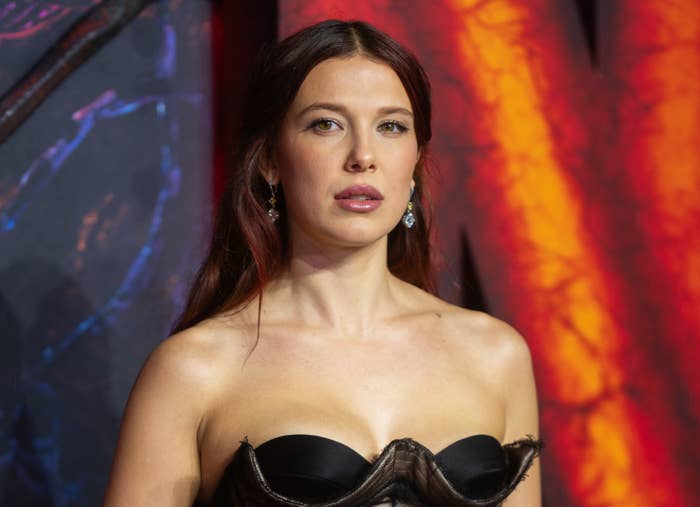
Now, we have a new evolution of the trend: “iPhone hands,” brought to you by Millie Bobby Brown.
Samir Hussein / Getty Images
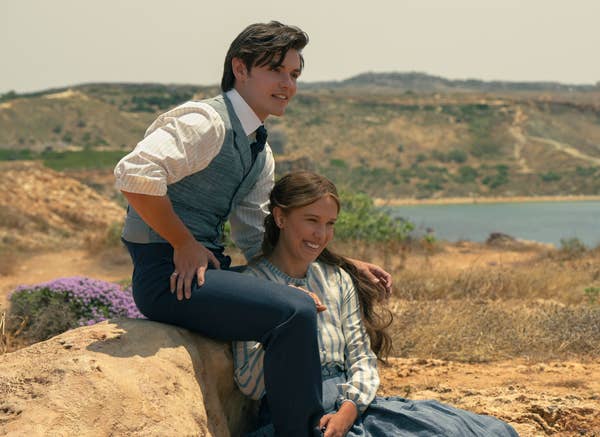
This week, Netflix unveiled official first-look images from Enola Holmes 3, which is slated for a July release. The photos feature Millie returning as the lead character—the mystery-solving teenage sister of the legendary Sherlock Holmes, portrayed by Henry Cavill.
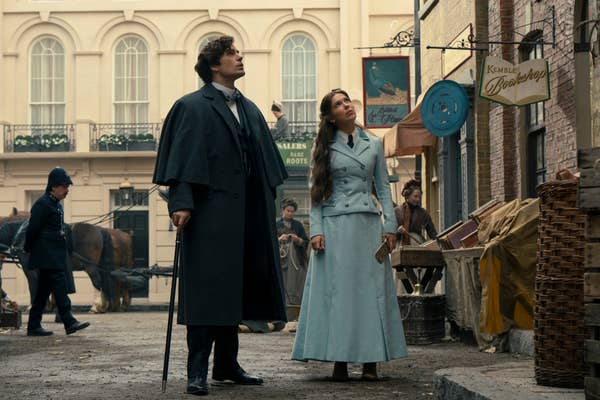
John Wilson / John Wilson/Netflix ©2026
The franchise is famously set during the Victorian era. Keeping that historical context in mind, eagle-eyed fans were quick to identify some glaring inaccuracies regarding the mid-to-late-1800s costume and makeup styling.
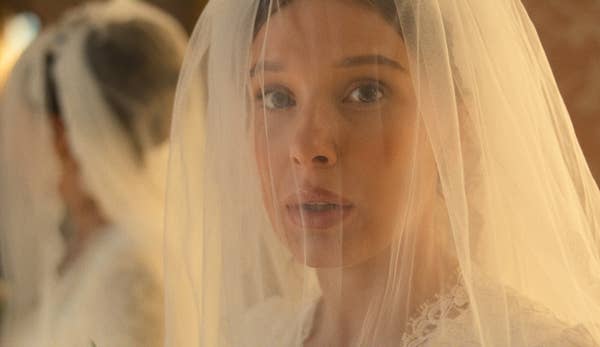
Courtesy Of Netflix / Courtesy of Netflix ©2026
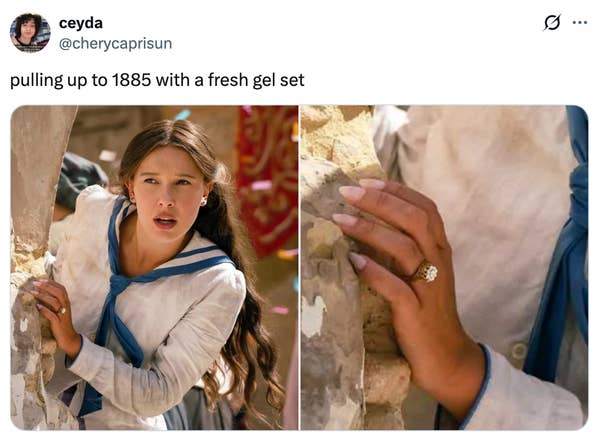
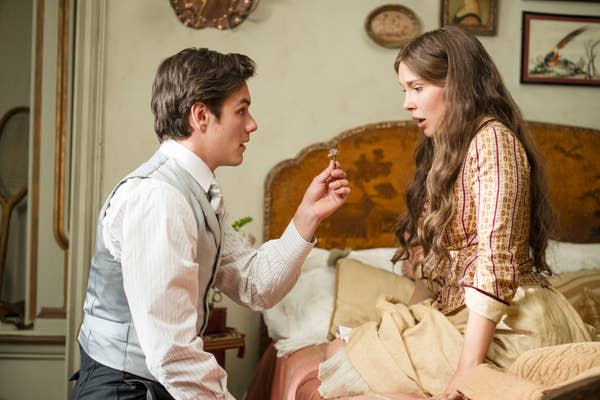
While there is plenty of online chatter regarding whether Millie has undergone cosmetic facial enhancements, the internet’s attention shifted downward. Fans were immediately distracted by her flawless, polished fingernails, which stand out prominently in the latest promotional stills.
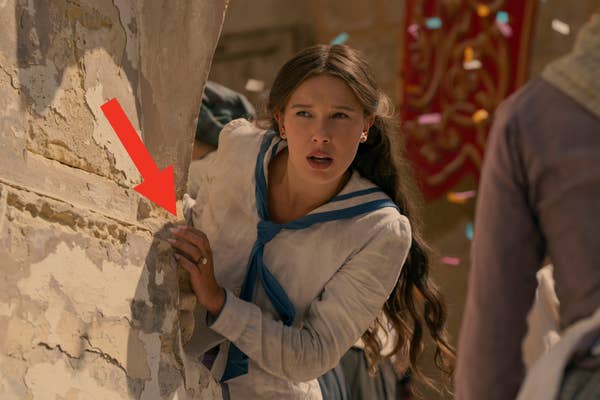
John Wilson / John Wilson/Netflix ©2026
As someone who has been a regular at the nail salon twice a month for over a decade, I can spot a professional manicure from a mile away. Judging by these images, it appears Millie is rocking an almond shape with a gel finish, and likely some acrylic extensions. (If I suggested the color looks exactly like OPI’s “Bubble Bath,” would I be overanalyzing? Perhaps.)
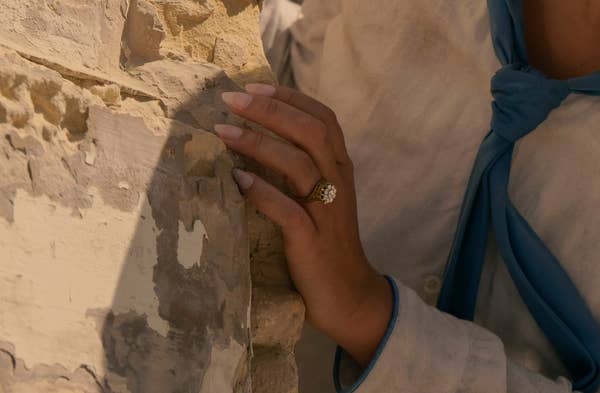
John Wilson / John Wilson/Netflix ©2026
Regardless of the specific brand, the aesthetic is undeniably modern. Considering UV lamps and LED gel technology didn’t exist in the 1800s, fans are baffled as to how she was permitted to walk onto a period-accurate film set with such a contemporary look.
John Wilson / John Wilson/Netflix ©2026
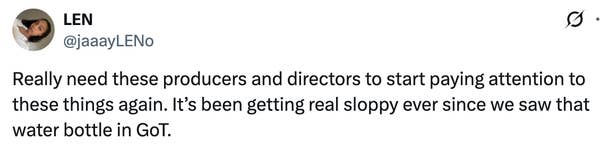
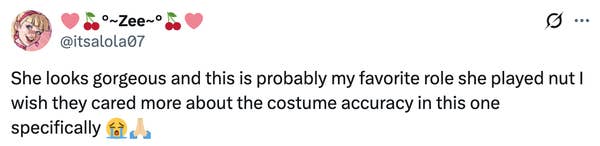
A viral post on X, which racked up over 222,000 likes and 5.6 million views, joked: “pulling up to 1885 with a fresh gel set.” Within the replies, another user noted: “You’d think these movie executives would pay more attention to details knowing social media exists…”
@cherycaprisun / John Wilson/Netflix ©2026 / Via x.com
@jaaayLENo / Via x.com
@itsalola07 / Via x.com
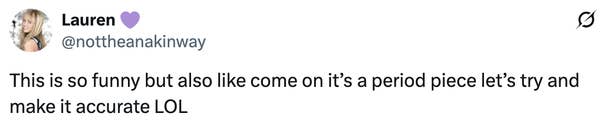
@nottheanakinway / Via x.com
The critique was even sharper on Reddit, where users labeled the “fake nails” as “ridiculous” given the cinematic context. “Are the acrylic stiletto nails historically accurate?” one commenter questioned. “What the fuck are we doing here, girl?”

John Wilson / John Wilson/Netflix ©2025
“How was this approved?” another person asked. “Fake nails in the Victorian era?!”
John Wilson / John Wilson/Netflix ©2026
To be fair, this isn’t the first instance where a fresh acrylic set has crashed a Netflix period piece. We haven’t forgotten about Penelope Featherington’s modern glam in Bridgerton.
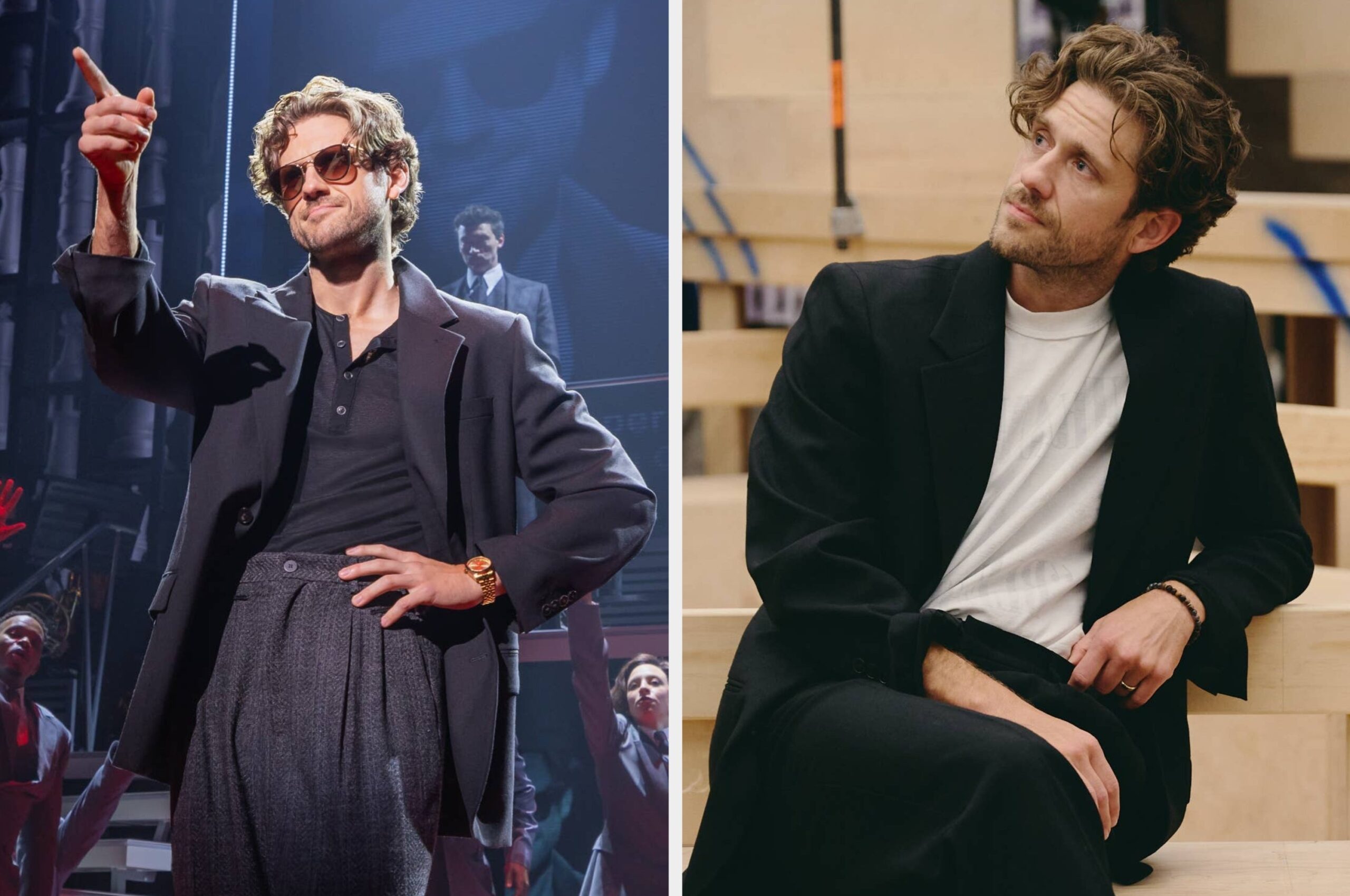
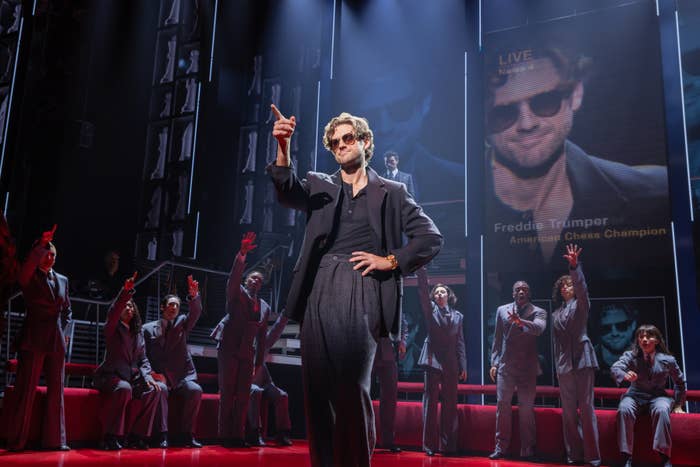
Aaron Tveit has played some of theater’s most iconic leading men, but his portrayal of Freddie Trumper in the Chess revival might be his most electrifying performance to date.
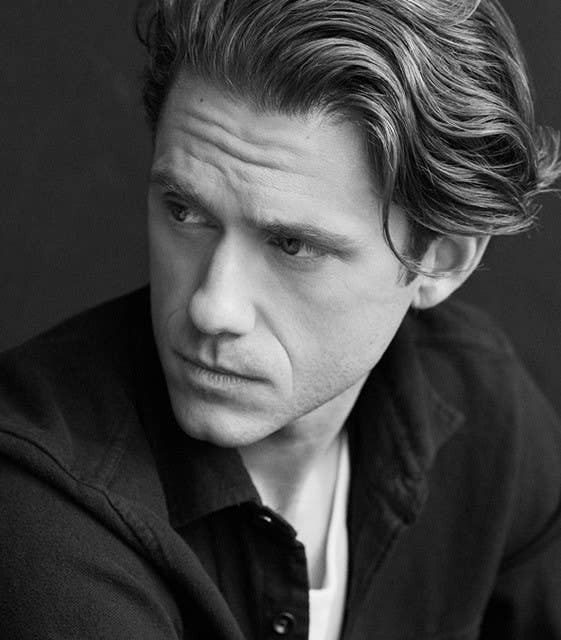
Aaron Tveit / Via Polk & Co.
If you’ve made a trip to the Imperial Theatre, you’ve witnessed Tveit’s expert command of the stage. From the cocky swagger of “One Night in Bangkok” to the raw, unraveling vulnerability of “Pity the Child,” Freddie is an incredibly layered character. Not only does the chess grandmaster walk a fine line between two contrasting personalities, but he is also one of the most vocally challenging roles in modern musical theater.
It was a true honor to interview Aaron about stepping into this demanding production and what the music of Chess means to him.
Note: This interview has been edited for length and clarity.
You have an incredible resume. How does the role of Freddie stand out to you compared to your past Broadway shows?
Aaron: Thank you. I’ve been very fortunate to have a varied career. I’ve never really been a performer who does just one thing. Especially in theater, I always look for complicated characters.
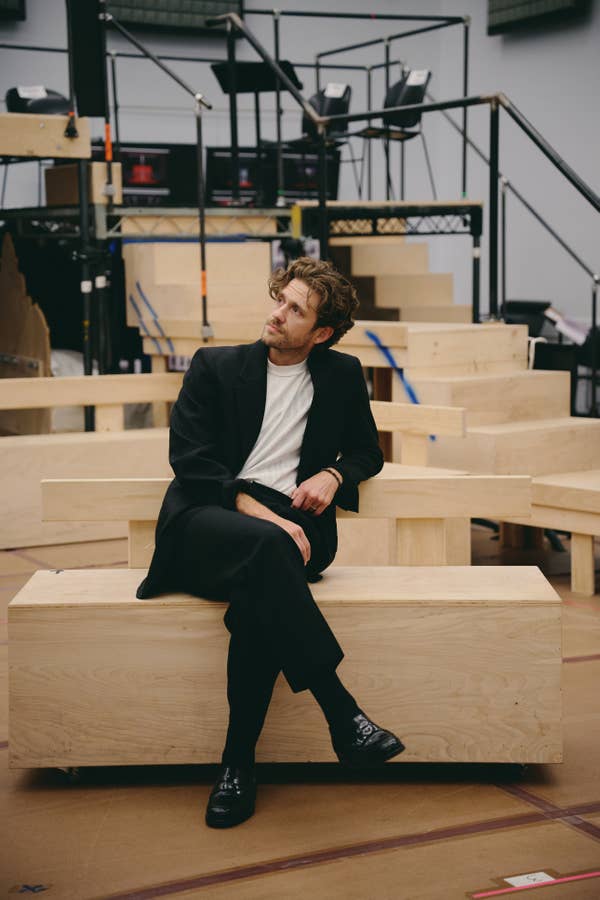
I think Freddie is one of the most complex characters I’ve played yet. He is dealing with severe mental health issues, and I really wanted to touch on that as authentically as possible. I had many deep conversations about that with Michael Mayer, the director, and Danny Strong, the writer. It has been a lot of work and a lot of fun to dive into those layers.
On top of the acting, the singing is easily the hardest I’ve ever done. Those two factors combined have made the Chess Broadway score quite a mountain to climb, but I’m always seeking out those challenges.
It’s been really rewarding to be four or five months into the run and still be learning things about the show and the role every day. I’ve been a huge fan of the music for a very long time, and it’s still not quite sinking in that I’m part of this revival that fans have waited so long for.
Matthew Murphy / Via Polk & Co.
Freddie has these two sides: the swaggering public champion and this deeply wounded person. How did you approach balancing those character traits?
Aaron: That’s a great question. It all started with his mental health. If he’s struggling with manic-depressive disorder or undiagnosed bipolar disorder, the performance is all about those extreme highs and lows.
That gave me a lot of creative license. When he’s manic and excited in the public eye, he gets to be this “rock star” in his own mind. I think there’s also a lot of deep-rooted narcissism inside of him that feeds those qualities. The double-edged sword is that when the spotlight fades, he falls really hard to the other side.
During my time in Sweeney Todd, the associate choreographer, Chelsey Arce, and I started using different colors in the script to represent Sweeney’s rage. For Chess, I used that same technique, assigning a different color to Freddie in each scene based on where he sits on that manic-depressive spectrum.
Jenny Anderson / Via Polk & Co.
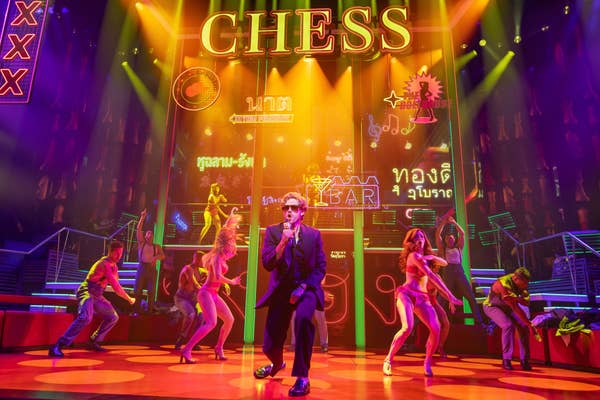
On the swagger side of things, “One Night in Bangkok” is such a highlight. It’s a very complicated scene, especially how you jump into the pants—how much rehearsal goes into that number?
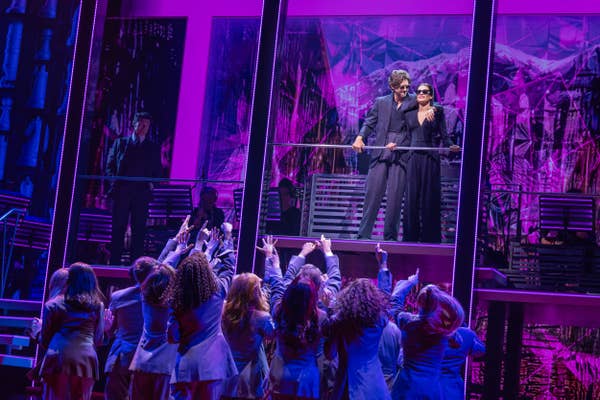
Aaron: I’m so fortunate that I’m literally lifted by five of the guys in the ensemble, while two of the women hold my pants at a very specific spot for me to get in. Honestly, I’m doing the least amount of work in that moment—it’s the ensemble that makes the magic happen every night. I’m very lucky to be supported through that, both figuratively and literally.
That number is iconic. Even people who don’t know the full plot of the musical have heard that song, so there’s a big responsibility that comes with it.
We had this idea to find Freddie as he’s off his meds and self-medicating in Bangkok. We looked at what it would be like to prop him up and get him ready for his job as an on-camera analyst. We had so much fun with the ensemble and Lorin Latarro, the choreographer, finding our own unique way to stage it. It was a massive mountain to climb.
Matthew Murphy / Via Polk & Co.
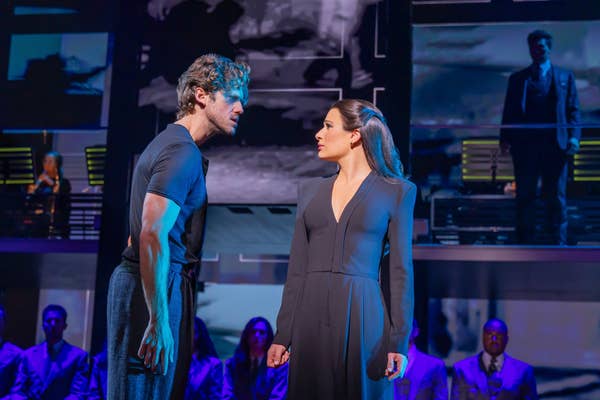
On the “wounded” side of Freddie, “Pity the Child” is an incredibly vocally challenging and emotional song. When you’re performing it, are you thinking technically, or are you fully in the moment?
Aaron: That’s a great question. It really depends on the day. My hope is always that I’ve done enough technical work during the rehearsal process so that the singing becomes second nature. I try to navigate the vocal hurdles before I even step into the room. If you’re constantly worried about the high notes, you can’t focus on the emotional scene work.
That being said, we do eight shows a week, and it’s grueling. There are nights—like this past weekend when the weather changed and my allergies went insane—where you have to think technically. You’re trying to figure out where to place the sound while still staying in character. It’s a “split-brain” experience.
With “Pity the Child” specifically, I’ve known the song for years, but I didn’t fully understand the weight of it until this production. It’s the first time Freddie is forced to look inside himself. Discovering that with the audience every night is fascinating. It’s the hardest song I’ve ever sung, but also one of the most rewarding.
Matthew Murphy / Via Polk & Co.
You’ve mentioned this is your most vocally challenging role. How do you maintain your vocal health while doing eight shows a week?
Aaron: Vocal health is everything in a long run. If you’re doing a limited engagement, you can push through, but for a long run, you have to be disciplined.
I grew up studying classical music, so I have a very solid foundation. I’ve worked with the same voice teacher in New York for 20 years. I need to know I can do the show healthily before I even start. I also find that stressing about your voice actually makes things worse.
On a daily basis, I keep my baseline health high. It sounds simple, but it’s about sleep, eating right, staying hydrated, and steaming. Avoiding too many late nights out is just part of the job.
Gary Gershoff / Via Getty Images
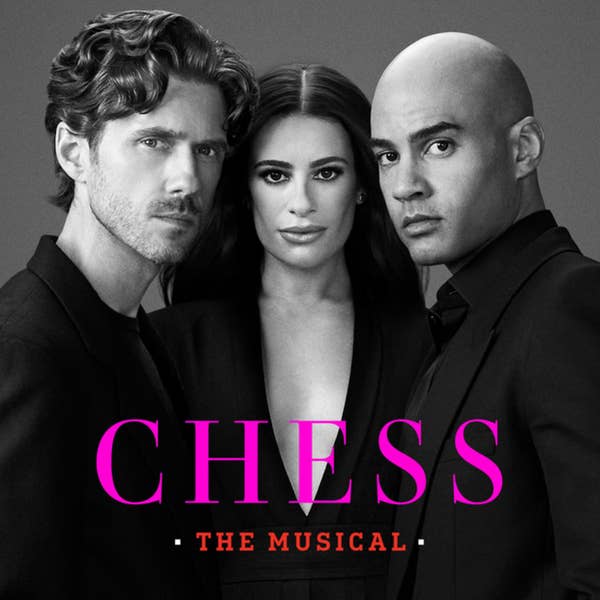
The cast recording is out now. What was different about recording the Chess album in the studio versus performing the show live?
Aaron: Recording the Chess cast album was incredible. Our live sound at the Imperial is great, but the studio offers a different sonic experience. You get immediate feedback in your headphones, which allows you to access different colors in your voice that might be harder to hear on stage over a live orchestra.
For “Pity the Child,” we only did two takes. Most of what you hear on the album is that second take. They turned the lights down, and it was just me and the music. It was an out-of-body experience where I felt like I was floating above myself, just grateful to be recording such legendary music.
Chess / Via open.spotify.com
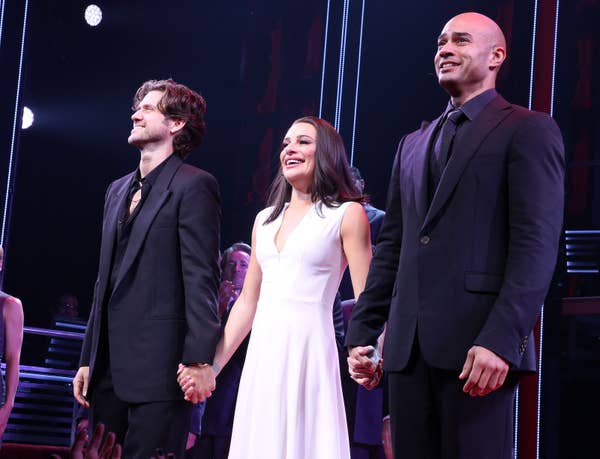
You have incredible co-stars, like Lea Michele and Nicholas Christopher. What’s your chemistry like off-stage?
Aaron: It’s wonderful. The cast clicked immediately. Lea and I have known each other for years, but this is our first time working together. Nick and I were in Sweeney Todd recently, but we didn’t have a full rehearsal process together like we did for this.
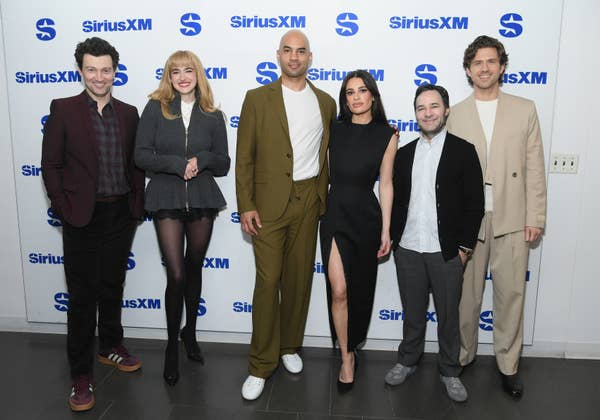
We all love this show so much and approach the work with the same level of intensity. Plus, between the three of us, there are five kids under the age of five! We all look at each other and know when someone has had a rough night with the kids, and we pick each other up. Bryce Pinkham is also a total blast to work with. We’re very lucky to have this group.
Bruce Glikas / Via WireImage
Finally, what do you hope audiences take away from seeing your performance as Freddie in Chess?
Aaron: It’s twofold. First, I just want to share this incredible music that has been beloved for 40 years.
Secondly, the most rewarding part has been hearing from audience members who struggle with bipolar disorder or mental health issues. They’ve told me they felt seen by this story. I had a similar experience with Next to Normal. Mental health still carries a stigma, and if Chess can help people walk away with more empathy and an open mind, that’s the biggest reward for me.
Matthew Murphy / Via Polk & Co.
Thank you, Aaron, for a fascinating behind-the-scenes look at Chess on Broadway.

Karoline Leavitt Hitler Comment Sparks Brutal Online Rebuttal

Lisa Kudrow Exposes Brutal Friends Behind the Scenes Secrets

Is Taylor Swift Calling Out Fans for Lyrical Paternity Tests?

Millie Bobby Brown Enola Holmes 3 Nails Spark Period Drama Row

CNN Host Under Fire for Questioning Raskin on Trump Rhetoric

Aaron Tveit on Chess Broadway: His Hardest Vocal Role Ever

Advice from Elders on Global Tension and Economic Instability

Sabrina Carpenter & Madonna Coachella Crowd Sparks Backlash

Kylie Jenner Weeps After Watching KUWTK Pilot With Stormi

26 Painfully Awkward Celebrity Encounters That’ll Give You Secondhand Embarrassment

A Psychologist’s Guide to Narcissism: Strategies to Stop Trump

2026 Celebrity Breakups: Every Famous Couple Who Split So Far

Jada Pinkett Smith Alopecia Hair Regrowth Truth and Expert

12 Actors Who Shared Awkward Details Filming Solo Sex Scenes
-
 Celebrity7 days ago
Sabrina Carpenter & Madonna Coachella Crowd Sparks Backlash
-
 Celebrity4 weeks ago
Kylie Jenner Weeps After Watching KUWTK Pilot With Stormi
-
 Celebrity4 weeks ago
26 Painfully Awkward Celebrity Encounters That’ll Give You Secondhand Embarrassment
-
 News3 weeks ago
A Psychologist’s Guide to Narcissism: Strategies to Stop Trump
-
 Celebrity4 weeks ago
2026 Celebrity Breakups: Every Famous Couple Who Split So Far
-
 Celebrity4 weeks ago
Jada Pinkett Smith Alopecia Hair Regrowth Truth and Expert
-
 Celebrity2 days ago
12 Actors Who Shared Awkward Details Filming Solo Sex Scenes
-
 Celebrity4 weeks ago
Zendaya and Tom Holland Marriage Rumors and Romance Details